Overview of Preschool Transition Activities PDF
Explore a downloadable PDF guide that compiles printable transition activities,All About Me sheets, handover documents, and readiness checklists․ Designed for parents and teachers, it offers step‑by‑step strategies, musical bridges, and emotional‑wellbeing tools to ease preschoolers into kindergarten․
Best Practices in Early Childhood Transition
Use the PDF’s printable activities to match each child’s temperament․ Outgoing kids thrive on group play, while shy ones benefit from music bridges․ Focus on strengths, involve families, and provide gradual exposure to new routines․ and play;!
Key Elements for Outgoing vs Shy Children
Outgoing children often thrive on social interaction and may quickly adapt to new environments․ Key elements for supporting them include structured group activities that allow them to showcase leadership, opportunities to practice classroom routines through role‑play, and consistent positive reinforcement that acknowledges their initiative․ By integrating familiar play patterns and encouraging peer collaboration, outgoing kids can transfer their confidence into the kindergarten setting․
Shy children, on the other hand, benefit from gradual exposure and a calm, predictable atmosphere․ Essential strategies involve small‑group introductions, one‑on‑one check‑ins with a trusted adult, and visual schedules that outline daily transitions․ Providing a “safe corner” where they can retreat briefly helps reduce anxiety․ Gentle encouragement to participate in low‑pressure activities, such as drawing or listening to a story, allows shy learners to build comfort at their own pace․
Both groups require a supportive bridge that respects individual temperament․ A balanced approach—mixing social play for outgoing students with quiet, guided moments for shy peers—creates an inclusive environment․ Parents and teachers should collaborate to identify each child’s strengths and preferences, using the PDF’s printable checklists to track progress and adjust strategies accordingly․ This personalized roadmap ensures a smoother transition for every preschooler․
Educators can employ timers to help children anticipate transitions․ Consistent routines coupled with allow outgoing and shy learners to feel secure and confident as they move toward kindergarten․ By celebrating successes, families and teachers reinforce a eases the shift to settings
Using Music as a Bridge
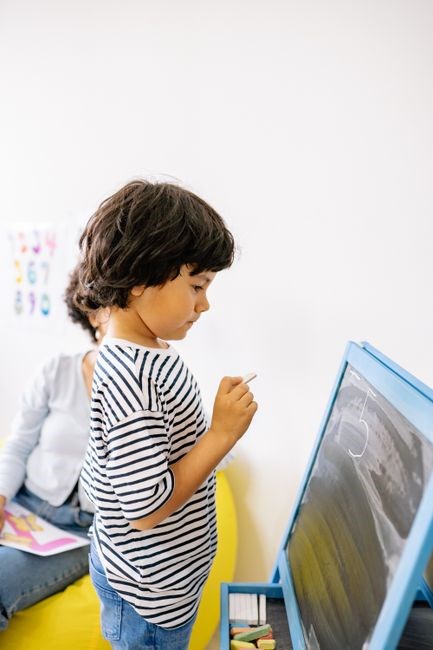
Music offers a universal language that eases the emotional demands of moving from preschool to kindergarten․ Predictable signals help children orient instantly․ A short “welcome” chant starts a new activity, while a calming lullaby signals winding down before recess․ These auditory cues reduce anxiety and foster belonging․ Children can practice the chant during circle time, reinforcing memory․
In practice, a transition packet may include “transition songs” for moments like hand‑washing, line‑up, and storytime․ Teachers invite children to clap, stomp, or dance, letting them participate physically and mentally․ This engagement reinforces routine and builds motor coordination and social bonding․ It also builds confidence․
For shy learners, music offers a gentle entry point․ A soft instrumental piece during a quiet corner lets them observe and participate at their own pace․ Outgoing children can lead a short “musical circle,” guiding peers through a simple dance or movement, reinforcing leadership within a structured framework․ It also encourages listening and following directions․
Parents can extend this bridge at home by sharing the same playlist, encouraging children to practice songs before school․ The PDF’s printable sheet lists tracks, tempo guidelines, and cue phrases, ensuring consistency across environments․ Over time, children internalize musical cues, making the transition smoother and more enjoyable․ Use songs!․
Printable Resources and Packs
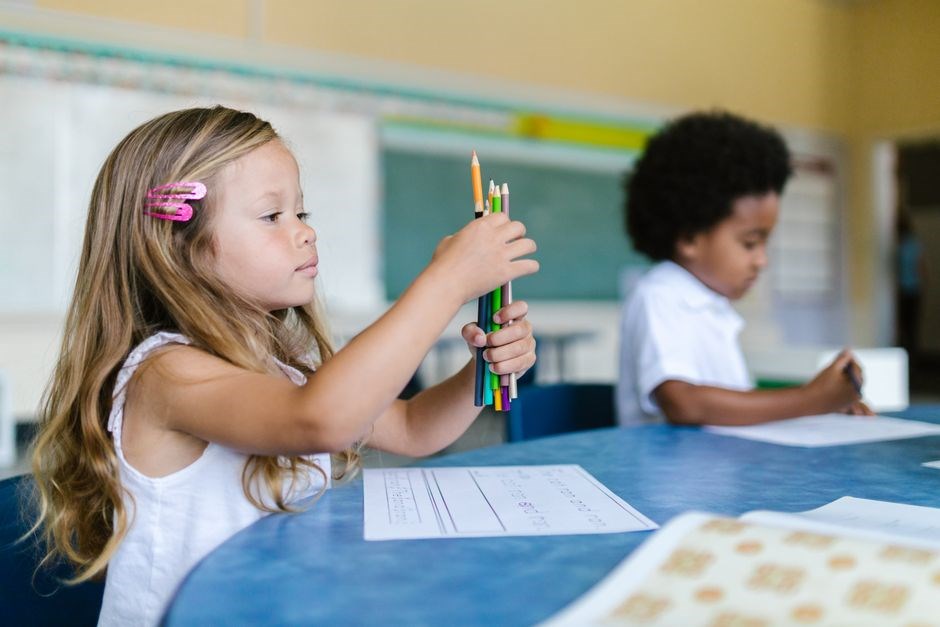
Download free and premium packs featuring All About Me sheets, handover docs, readiness checklists, parent partnership packs, emotional wellbeing tools, and assessment templates․ Tailored for babies, toddlers, preschoolers, and reception kids, these resources support smooth transitions․ for all ages․ now․
Free and Premium Transition Packets
Our library offers both free and premium PDF packets that cover the full spectrum of preschool transition needs․ The free packets include essential tools such as All About Me worksheets, handover templates, and basic readiness checklists that can be printed and used immediately․ Premium packets expand on these foundations with additional features: customizable music‑bridge activities, emotional‑wellbeing guides, observation and assessment forms, and professional pedagogy notes․ Each packet is organized by age group—babies, toddlers, preschoolers, and reception children—so educators and families can select the most relevant materials․ The premium options also provide downloadable audio clips for singing transitions, printable teacher‑student handover sheets, and a curated list of recommended books and songs․ All resources are designed to be user‑friendly, with clear instructions and color‑coded sections to help streamline the transition process․ Whether you’re preparing a child for kindergarten or simply looking to reinforce classroom routines, these packets give you a ready‑made toolkit that saves time and reduces stress․ Download today and start building a smooth, confident transition experience for your little learners․ Teachers can also use the premium packets to create personalized handover notes that capture each child’s strengths and areas for growth, ensuring continuity between preschool and kindergarten settings․ Parents receive a companion guide that explains how to support their child’s emotional adjustment at home, including tips for creating a calm bedtime routine and encouraging independent play․ The free packets are available at no cost, while the premium packets can be purchased through the official website with a one‑time fee․ All materials are PDF‑ready, printable on standard home printers, and come with editable templates for quick customization․ By integrating these resources into daily routines, schools can foster a sense of security and excitement, helping children feel prepared and confident as they step into the next phase of their educational journey․ Additionally, the premium bundle includes a set of digital stickers and a progress tracker that teachers can share with parents via email or a class app, allowing real‑time updates on each child’s transition milestones․ The stickers can be printed or used digitally to celebrate small victories, reinforcing positive behavior during the transition period․ The progress tracker offers a visual representation of each child’s readiness level, helping educators identify which children may need extra support or enrichment․ This data‑driven approach ensures that every child receives individualized attention, while still benefiting from the collective resources provided in the packet․
All About Me and Handover Documents
Every transition packet includes an “All About Me” sheet that lets children share favorite colors, foods, and activities․ The form promotes self‑awareness and gives teachers insight into each child’s personality, aiding individualized support for kindergarten․ Teachers also record milestones, language skills, and social strengths, creating a snapshot for parents and future educators․
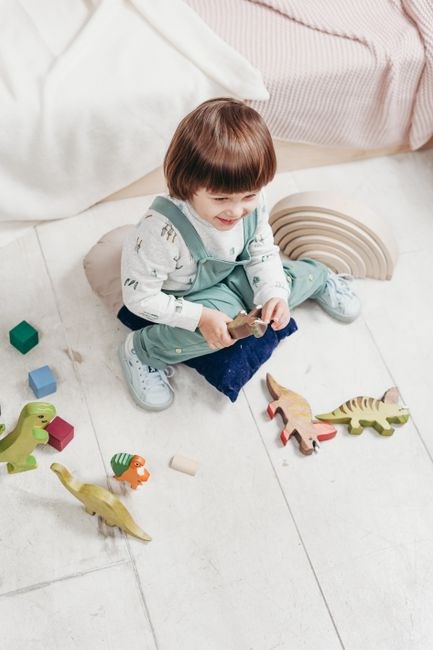
The handover template captures essential info for the receiving classroom: health, safety, routine preferences, and special needs․ Completed by the preschool teacher and signed by the parent, it gives the kindergarten team a concise briefing․ A Transition Checklist lists key activities—reading a book, practicing a song, or a simple math task—to gauge readiness․
Both documents are editable PDFs, printable on standard printers, and can be emailed or stored online․ Using them creates a smooth, data‑driven handover that supports continuity, reduces anxiety, and boosts confidence in the child’s new learning environment․
The sheet also has a photo section for a recent picture, helping teachers recognize the child on day one․ The handover includes a parent signature line and teacher contact info, ensuring follow‑up questions are answered quickly and building trust between families and the new setting․
Teachers can customize the PDFs with logos or color schemes and the handover template offers a space for noting any behavioral observations or learning strategies that have worked well․ Parents receive a companion guide explaining how to support their child’s emotional adjustment at home, including tips for a calm bedtime routine and encouraging independent play․ By integrating these resources into daily routines, educators and families collaborate to create a confident, seamless transition experience․
Transition Activity Ideas by Connection Type
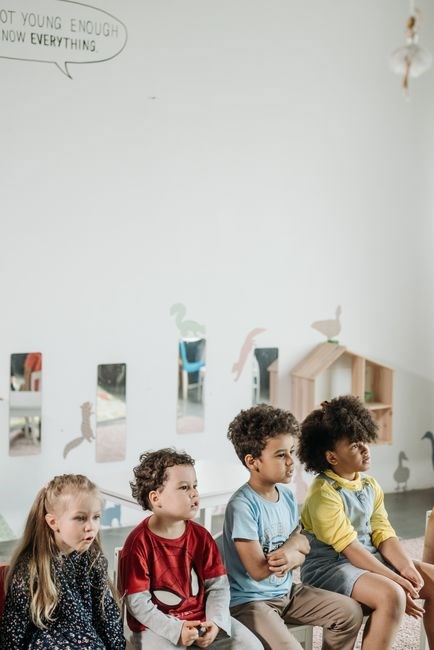
Build bridges by pairing preschoolers with future kindergarten teachers through shared activities․ Invite teachers to read, sing, or play, fostering familiarity․ Practice classroom rituals—line‑up, snack time, and goodbye songs—so children feel confident and connected․ and build lasting friendships for start․
Connecting Preschool Children to Kindergarten Teachers
Creating a seamless link between preschoolers and their future kindergarten teachers is essential for a confident transition․ Begin by inviting the kindergarten teacher to visit the preschool for a short, informal session—perhaps a storytime, a simple craft, or a music activity․ This early exposure demystifies the new environment and allows children to associate the teacher with familiar, enjoyable moments․ During these visits, the preschool teacher can observe the child’s interests and temperament, while the kindergarten teacher can share a brief overview of the upcoming classroom routine, such as the daily schedule, classroom rules, and key learning areas․ This mutual exchange builds trust and reduces anxiety․ Next, incorporate “buddy” activities where preschoolers pair with a kindergarten teacher for a short task, like sorting colors or counting objects․ These collaborative moments reinforce the teacher’s presence and create a sense of partnership․ To deepen the connection, schedule a joint “goodbye” ritual: the kindergarten teacher can lead a simple song or chant that the preschoolers repeat, reinforcing the idea that the teacher will be there when they return․ Finally, maintain open communication with parents by sharing photos or short videos of the teacher’s visit, and encourage parents to discuss the experience with their child; This continuous loop of familiarity, positive reinforcement, and parental involvement ensures that children feel secure and excited about the next step in their educational journey; Together, we build confidence for tomorrow!
Introducing Kindergarten Rituals in Preschool
Embedding familiar kindergarten routines into the preschool day helps children feel prepared and secure․ Model the morning greeting—“Good‑Morning Circle”—with a brief chant or song used in kindergarten․ Then practice a “Name‑Tag Exchange,” placing tags on a board, just as they will do at the new school․ Next, run a “Snack‑Time Routine”: students sit in a line, use a shared tray, and follow a short countdown to signal snack end․ To reinforce transitions, conduct a “Door‑Closing Drill” where children walk calmly to the door, place a small bag on a hook, and say a polite goodbye․ Use visual timers or a countdown clock to make the process predictable․ For older preschoolers, introduce a “Classroom Map” activity: students trace the kindergarten layout on a poster, labeling reading corner, art station, and learning center․ Finally, schedule a “Teacher‑Student Handshake” where the kindergarten teacher visits preschool to sign a “Welcome Certificate” for each child, reinforcing that the teacher will support them․ These rituals, practiced in a low‑pressure setting, create a smooth, anxiety‑free transition for the next academic year!!!
Incorporating music turns routine practices into enjoyable experiences․ Play a short, upbeat tune during the “Door‑Closing Drill” so children associate the sound with the action․ The melody repeats each day, creating consistency that eases the shift to kindergarten’s musical cues․ The Georgia Pre‑K program recommends inviting a media specialist to read a short story highlighting the kindergarten environment, allowing children to visualize the new setting while engaging in a familiar reading ritual․
Parents can reinforce rituals at home by setting a small “pretend” classroom corner where the child practices the morning greeting or snack routine․ This consistency between school and home strengthens confidence․ Teachers should document each child’s engagement with the rituals using observation templates, noting hesitation or excitement․ These records help educators tailor support during the actual transition․
State-Level Guidelines and Programs
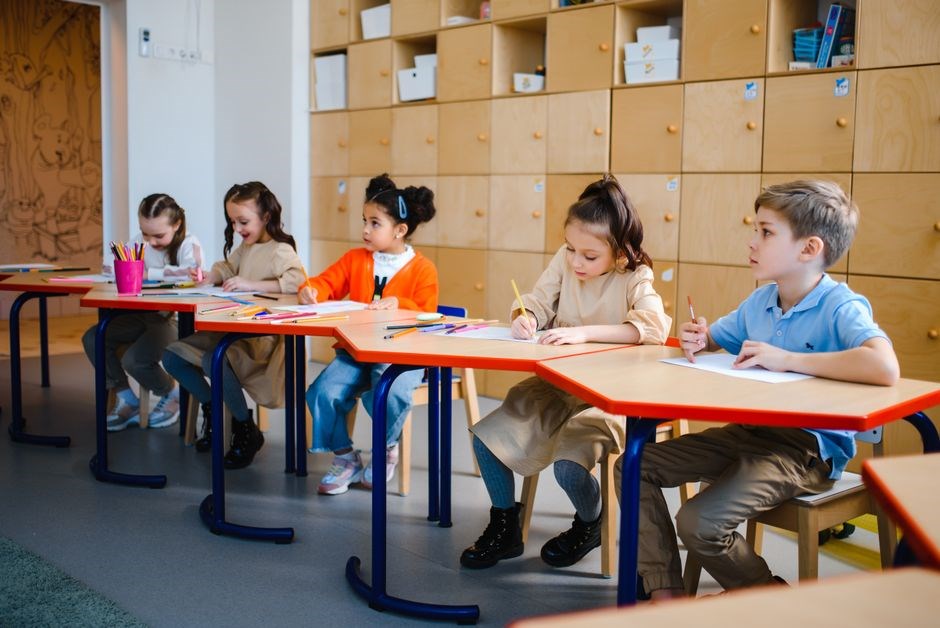
Georgia’s Pre‑K program outlines transition activities, such as shared reading, music bridges, and handover documents․ State guidelines emphasize early collaboration, parent partnership packs, and observation tools to support smooth preschool‑to‑kindergarten shifts․ Teachers monitor progress with checklists!!․
Georgia Pre‑K Program Transition Ideas
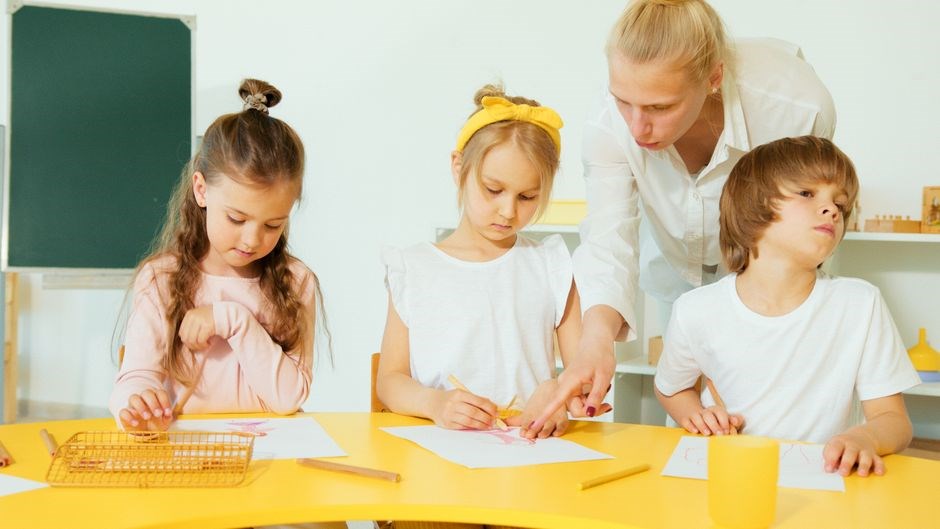
Georgia’s Pre‑K program offers a structured framework for easing children from preschool into kindergarten․ The state’s guidelines recommend a series of shared‑reading sessions, where a kindergarten teacher or media specialist reads to the preschoolers, fostering familiarity with new voices and routines․ Music is highlighted as a powerful bridge; short, familiar songs are played during transitions, helping children feel secure as they move from the classroom to the new environment․ Hand‑over documents are a core component, providing a concise snapshot of each child’s strengths, interests, and any special needs․ These packets are shared with kindergarten staff, ensuring continuity in care and instruction․ Teachers are encouraged to incorporate “kindergarten rituals” in the preschool setting—such as lining up, using a class bell, or practicing the daily schedule—so that children experience the rhythm of the new school early․ The program also stresses the importance of parent partnership packs, which include guidance on how to support the transition at home, emotional‑wellbeing resources, and observation templates that help families track progress․ By integrating these elements, Georgia’s Pre‑K program creates a seamless, supportive pathway that respects each child’s individual pace while building confidence for the next educational step․
Classroom Management for Transition Time
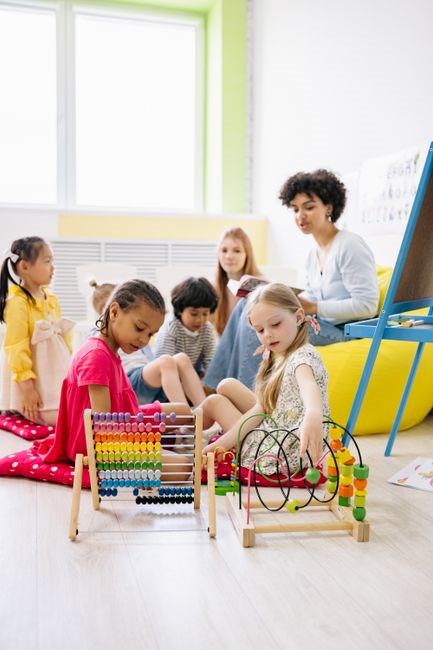
Effective transition management begins with a clear, consistent routine that children can anticipate․ Begin each day with a “transition circle” where the teacher outlines the day’s schedule and cues children to gather their belongings․ Visual schedules—charts or picture cards—display the sequence of activities, allowing children to see what comes next and reduce anxiety․ A timer or a short “transition song” signals the shift from one activity to the next; the rhythm helps children move calmly and keeps the flow predictable․ Small group “transition buddies” pair a confident child with a shy one, encouraging peer support and shared responsibility․ A designated “transition corner” with a low‑profile table, a stack of favorite books, and a rug invites children to settle briefly, read, or play quietly while the teacher prepares the next lesson․ Teachers can also use a “calm‑down” cue—such as a gentle hand on the shoulder or a soft spoken word—to redirect children who become overwhelmed․ Consistent verbal prompts (“We’re moving to the art table now”) reinforce the routine and help children internalize the sequence․ When the teacher’s voice is steady and the environment is organized, children feel safe and are more likely to transition smoothly, setting a tone for the rest of the day․ Teachers can also incorporate a mindfulness exercise, such as a breathing game or a guided visualization, to calm the mind before the next activity․ Using a set of hand signals—like a raised hand to indicate quiet or a thumbs‑up to signal readiness—helps non‑verbal children stay on track․ Rotating the role of transition leader among older children fosters ownership and builds leadership skills․ Finally, parents can reinforce the routine at home by practicing the same visual schedule or transition song, creating a bridge between school and home․